Skip the Postcard: The House Drink Is the Fastest Beach Bar Test
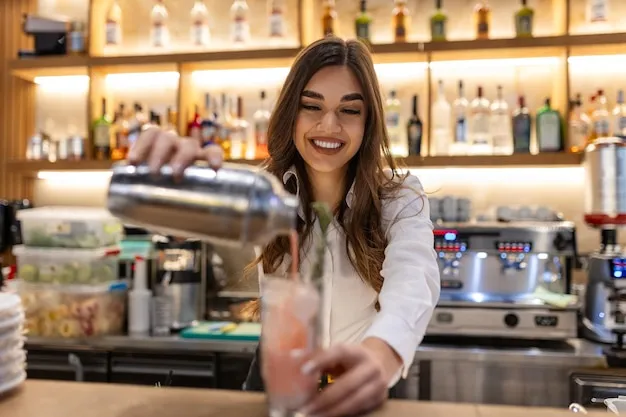
Photo: bartender making rum punch at beach bar, via img.freepik.com
There is a moment at every beach bar when the menu lands and everyone at the table orders the same thing. Usually it's a piña colada. Sometimes it's a frozen concoction with a name like 'Paradise Breeze.' It arrives in a tall glass, tastes like vanilla ice cream and pool water, and communicates almost nothing about the bar. That's the problem. If you want to know whether a beach bar is worth your night, skip the postcard drink and order the house drink.
The Piña Colada Is a Souvenir, Not a Test
I'm not anti-piña colada. A good one is a fine vacation beverage. But at too many beach bars, the piña colada is a mix-and-pour product. The blender does the work, the garnish does the marketing, and the bartender could make it in their sleep. That tells you the bar can execute a tourist standard. It doesn't tell you whether the bar has a point of view.
The house drink is different. It's the drink the bar chooses to be judged by. It might be a rum punch, a bushwacker, a paloma, or a local pour that doesn't appear on the laminated menu. It's the drink the staff has made ten thousand times. It's also the drink most likely to reveal whether the bar is using fresh citrus, decent spirits, and a little bit of pride.
What a House Drink Actually Reveals
A house drink is a small act of honesty. If a bar's rum punch tastes like fruit punch from a carton, that's information. If it tastes like fresh lime, aged rum, and a touch of bitters, that's better information. If the bartender can tell you which rum is in it and why, you've found a bar that thinks about what it serves. If they shrug and say 'it's our secret,' you've found a bar that thinks marketing is a substitute for flavor.
Balance is the first clue. A good rum punch should be tart enough to wake you up and strong enough to remind you it's a cocktail. A bushwacker should taste like a grown-up milkshake, not a dessert that forgot the rum. A paloma should have real grapefruit bitterness and a salty edge. A local pour—whether it's a cane spirit, a flavored rum, or a regional liqueur—should taste like it comes from somewhere, not like it was chosen because the bottle looks good on the shelf.
Four Drinks, Four Signals
Rum punch. Look for fresh citrus and a rum backbone. Warning signs: neon color, no tartness, and a finish that tastes like grenadine. A good rum punch is a beach bar's handshake. If it's bad, the bar is probably coasting.
Bushwacker. This is a blender drink, so the texture matters. It should be cold but not soupy, creamy but not heavy. If it tastes like a melted candy bar, the bar is aiming for volume. If it tastes like coffee, chocolate, and rum with a little restraint, order another.
Paloma. A paloma is a test of citrus and salt. Fresh grapefruit juice, a proper rim, and a tequila that isn't buried under sugar. If it arrives pink and sweet with no bitterness, the bar is treating you like a postcard.
Local pour. Ask what the bar pours from the region. If the answer is a mass-market brand with a local label, fine—but ask how they serve it. A bar that offers it neat, on ice, or in a simple highball is confident. A bar that hides it in a sugary mix is not.
Warning Signs of a Bar Phoning It In
The house drink is a diagnostic tool, and the warning signs are usually obvious once you start looking. The drink arrives before you've put your wallet away, which means it was pre-batched and sitting in the heat. The garnish is wilted. The glass is warm. The menu calls it 'world famous' but the bartender can't tell you what's in it. The color is unnaturally uniform. The first sip is sweet and the second sip is sweeter, with no acidity to cut through.
None of these things are crimes. But together they tell you the bar is optimized for turnover, not for return visits. That's useful to know before you order a second round or plan your night around the place.
Where the House Drink Is Worth the Detour
Some destinations have a house-drink culture that rewards curiosity. Key West has its rum runners and its frozen classics, but the bars that take rum seriously are the ones worth seeking out. Pensacola Beach has a bushwacker tradition that's worth comparing across a few bars. San Juan rewards anyone who orders a rum punch or a local rum pour and asks questions. Isla Mujeres and Cozumel are good places to test palomas and mezcal drinks against the sunset. Barbados is rum punch country, and the difference between a great one and a lazy one is obvious in the first sip.
The point isn't to become a cocktail snob. It's to give the bar a fair chance to show you what it's about. A beach bar can survive on frozen drinks and a view. The ones worth remembering are the ones that also care what's in the glass. Order the house drink. Then decide whether the moonlit shore deserves another round.