The Moon Sets the Guest List: A Full-Moon Beach Party Field Guide
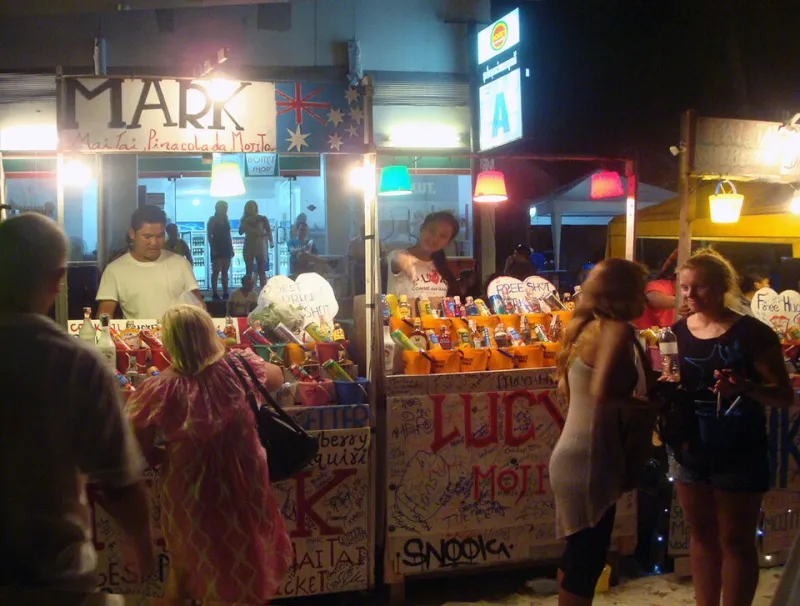
Photo: Per Meistrup, CC BY-SA 4.0, via Wikimedia Commons
There is a particular kind of beach bar night that feels manufactured: the tiki torches come out at 7 p.m., the same playlist starts at 8, and the 'party' is a drink special with a paper umbrella. Full-moon beach parties are the opposite. They are monthly, they are usually free, and they are organized by the people who actually live there.
That is the case for planning a trip around one. A full-moon gathering is not a bar event. It is a local habit that happens to welcome visitors, and it offers a side of seaside nightlife that a standard beach bar cannot fake.
What a Full-Moon Beach Party Actually Is
It is less formal than it sounds. Across Florida, Hawaii, and the Caribbean, full-moon nights often bring out drum circles, slack-key guitar, fire dancers, potluck food, and a lot of people sitting on the sand doing nothing in particular. Some gatherings are big and semi-organized. Others are a few dozen locals with coolers and a bonfire. The common thread is the moon, the tide, and a general agreement that the night is worth staying out for.
Do not expect a ticketed festival. Do expect to bring your own everything: cash for a tip jar, a refillable water bottle, bug spray, and a light jacket if the breeze picks up. Some parties have food vendors; many do not.
Where the Best Ones Happen
Florida's Gulf Coast and Keys
The Gulf Coast has a long tradition of sunset gatherings that swell on full-moon nights. Siesta Key, Fort Myers Beach, and the stretch around St. Pete Beach all have informal moonrise crowds, especially in the warmer months. Key West is its own category: the island's late-night culture means a full moon is just another excuse to stay out. Look for gatherings at the beach accesses rather than the big resorts, and ask a bartender where the locals go.
Hawaii
On Oahu's North Shore, full-moon nights often mean drumming on the sand and a crowd that ranges from surfers to families. Maui's west side has quieter, smaller gatherings. The etiquette matters here: many beaches are culturally significant, and some areas have rules about fires, alcohol, and overnight parking. Check local guidance before you load up the cooler.
The Caribbean
Puerto Rico's northwest coast, the U.S. Virgin Islands, and the smaller islands all have full-moon traditions that blend music, food, and beach time. In Puerto Rico, look for community events in Rincon and Isabela. On St. John, the party is often smaller and more spread out. In all cases, the best move is to ask at a local bar or guesthouse rather than rely on a generic list.
How to Plan a Trip Around the Moon
A full moon happens roughly every 29.5 days, so you can plan a trip around one with a lunar calendar and a little patience. Pick your destination first, then check the moon phase for your dates. If the full moon falls midweek, you may get a smaller, more local crowd. If it falls on a weekend, expect more visitors and plan your parking accordingly.
Book lodging early if you are traveling to a small island or a beach town with limited inventory. Plan a designated driver or a rideshare, because beach access roads get crowded and dark. Bring a red-light flashlight instead of a white one; it preserves your night vision and is less disruptive to other people and wildlife. And check the tide chart. A party that starts at low tide can become a scramble when the water comes back in.
The Case for Going
The appeal is not that full-moon parties are wilder or better produced than a beach bar. It is that they are less produced. Nobody is trying to sell you a branded experience. The moon is the headliner, the ocean is the sound system, and the crowd is whoever showed up.
That makes for a night that feels like a place rather than a product. If you are planning a beach trip and the dates line up with a full moon, build a night around it. Bring cash, bring water, and leave the beach cleaner than you found it. The moon will handle the rest.