The Coconut Rule: A No-Drama Tipping Playbook for US Travelers at Beach Bars
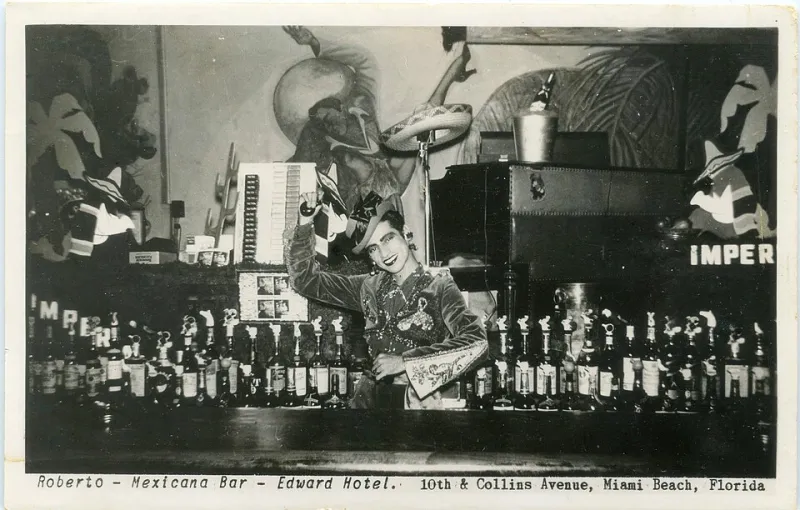
Photo: Phillip Pessar, CC BY 2.0, via Wikimedia Commons
The bill lands on the bar top just as the moon clears the palm line. You have a card in one pocket, a few damp bills in the other, and a vague memory of what you tip at home. This is where a lot of US travelers either freeze or overcorrect. Beach bars are not chain restaurants with a printed policy. They are small businesses, sometimes family-run, sometimes seasonal, often cash-first. The goal is not to win a generosity contest. It is to pay fairly, avoid awkwardness, and make the next round arrive without friction.
Read the Bill Before You Read the Room
First, look at the check. In Florida, tax and tip are usually separate; 18 to 20 percent is a normal starting point, and resort areas may lean higher. In Mexico and much of the Caribbean, a service charge may already be included—often around 10 percent, sometimes more. If you see a line for service, propina, or gratuity, do not automatically stack another full US-style tip on top. Add a little cash for genuinely good service, or leave it alone. The bill is the first source of truth.
The Coconut Rule: Three Questions, One Smooth Night
Think of the Coconut Rule as a small, round decision tool. It will not settle every edge case, but it keeps you from guessing wildly.
1. Is service already on the bill? If yes, your job is to reward extra care, not duplicate the charge. A couple of small bills for a bartender who kept your table dry and your drinks cold is plenty.
2. Is cash the native language of the bar? Many beach bars run on small bills and local currency. Cards work in tourist zones, but they can carry fees for the business and slow down a busy rail. Carry cash. Keep it in small denominations. Do not hand over a large bill for a small tab and expect the bar to break it during a rush.
3. What did the night actually cost? Tip on the bar tab, not on the entire vacation budget. A simple 10 to 15 percent in cash is a reasonable baseline in much of Mexico and the Caribbean when service is not included. In the US, use US norms: 18 to 20 percent, more for excellent service. Round up when the math is annoying. That is the coconut rule: fair, local, and easy to repeat.
Cash, Card, and the Small-Bill Economy
Cards are convenient, and you should not feel guilty for using one at a beach bar that accepts them. But cash still matters. A bartender at a six-stool shack may pool tips at the end of the night; cash is immediate and simple. If you tip on a card, check whether the tip line goes to the server or the house. If you are not sure, ask. It is not rude. It is the same question you would ask about a service charge.
Keep a separate stash of tip money: local currency, small bills, dry bag or zipped pocket. In Mexico and the Caribbean, US dollars are often accepted in tourist areas, but local currency is more useful to the people you are tipping. Do not force US coins on anyone; they are hard to exchange. If you only have a large bill, ask before the round whether the bar can make change.
Same Sunset, Different Expectations
Florida is the easy comparison. You know the drill: tax added, tip expected, 20 percent on a tiki-bar tab is normal. Miami and Key West can feel more resort-priced, but the basic math does not change. In Mexico, 10 to 15 percent is a common baseline, with tourist zones often drifting higher. In the Caribbean, norms vary by island and by whether the bar is a local spot or a resort outlet. Some places add a service charge; others leave it to you. All-inclusive resorts are their own ecosystem: your drinks may be prepaid, but cash tips for bartenders and servers are still appreciated. Small, consistent tips beat one dramatic gesture at the end of the week.
The Open-Tab Trap
The most common mistake is not stinginess. It is double-tipping. You open a tab, the card slip comes with a tip line, and you add 20 percent—then you also leave cash because the service was great. That is a generous night, but it is not a clear one. Read the slip. If a gratuity is already included, adjust. If it is not, tip once, in the way that is easiest for the bar. Cash is usually best for small tabs; card is fine for larger ones. Just do not tip twice by accident and then resent the bill.
A Simple Budget That Keeps the Night Smooth
Before you leave the hotel, set aside a tip fund in local currency. For a beach-bar-heavy week, $50 to $100 in small bills is a reasonable cushion for a couple, depending on how often you settle up. Add more if you plan on all-inclusive tipping or long open tabs. Withdraw during the day, not at midnight. Keep the bills separate from your main wallet. When the bill arrives, you will not be the person holding up the bar while a card machine searches for signal.
When in Doubt, Ask—and Then Leave the Extra Coconut
If you still cannot tell, ask politely: Is service included? Most servers and bartenders would rather answer that than watch you guess. Then make a clean decision. Ten percent cash on a simple beach-bar tab is rarely wrong where service is not included. In the US, stay near 20 percent. If someone went out of their way—kept your seat, called you a taxi, remembered your order in a crowd—add a little more. The coconut rule is not about a fixed number. It is about paying attention, carrying small bills, and not making the end of a good night complicated.